
How Often Should You Clean Air Ducts in a Home With Pets?

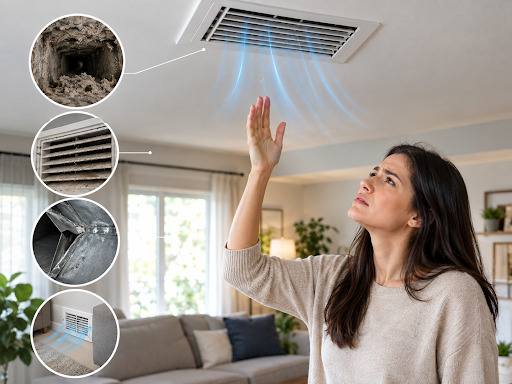
If you have dogs, cats, or other pets, your HVAC system may collect more dust, dander, hair, and debris than a home without pets. Over time, these particles can accumulate inside air ducts and circulate through your home whenever the heating or cooling system operates.
So, how often should you clean air ducts in a home with pets? For many pet-owning households, professional air duct cleaning every 2–3 years can be a reasonable starting point. However, homes with multiple pets, heavy shedding, allergies, renovations, or visible buildup may benefit from cleaning more frequently.

Why Pets Can Make Air Ducts Dirtier
Pets naturally shed fur and skin flakes, commonly called dander. These particles can become airborne and eventually settle in HVAC filters, vents, and ductwork.
Pet owners may notice:
Increased dust around supply vents
Pet hair collecting near registers
Musty or stale odors when the HVAC system runs
More frequent filter replacement
Visible debris around vents
Reduced airflow from certain registers
Regular vacuuming and changing HVAC filters can help reduce the amount of debris entering the system, but they cannot always remove buildup that has already accumulated inside ductwork.
How Often Should You Schedule Air Duct Cleaning With Pets?
There is no universal schedule that works for every household. The right frequency depends on the number of pets, how much they shed, indoor air conditions, HVAC usage, and the condition of your ductwork.
For a typical home with one or two pets, consider having the duct system professionally inspected and cleaned approximately every 2–3 years.
You may want to consider an earlier inspection if:
You have several pets.
Your pets shed heavily.
You frequently see dust or debris around vents.
You recently completed home renovations.
You notice persistent odors from your HVAC system.
Household members experience increased sensitivity to airborne particles.
Your HVAC system has not been professionally cleaned for many years.
The goal isn't simply to clean ducts on a fixed calendar. Instead, cleaning should be based on the actual condition of your HVAC system.
What About Pet Hair Inside Air Ducts?
Pet hair does not necessarily remain suspended in the air indefinitely. Some hair settles on floors and furniture, while some can enter return-air pathways and accumulate with other debris.
Professional home air duct cleaning near me services can inspect accessible duct components and remove accumulated dust and debris using specialized equipment.
However, duct cleaning should not replace regular HVAC maintenance. Changing filters, vacuuming your home, keeping vents unobstructed, and scheduling HVAC inspections are all important parts of maintaining a cleaner system.
Air Duct Cleaning in Washington, DC Homes
Homes in the Washington, DC area experience seasonal changes that can mean frequent heating and cooling system use. For households with pets, regular HVAC maintenance can become particularly important.
If you're searching for air duct cleaning Washington DC homeowners can rely on, look for a professional company that can evaluate your specific duct system rather than simply recommending the same cleaning schedule to every customer.
A professional inspection can help determine whether your ducts actually contain significant dust, pet hair, or other accumulated debris.
Don't Forget Your Dryer Vent
Pet-owning households should also pay attention to dryer vent maintenance. Pet hair and household lint can contribute to buildup in the dryer and vent system.
Residential dryer vent cleaning is especially important when you notice longer drying times, excessive heat around the dryer, or repeated lint buildup. Keeping the dryer vent clean can support proper airflow and help your dryer operate more efficiently.
What About Commercial Properties?
Pet-related debris isn't limited to residential properties. Veterinary clinics, pet groomers, boarding facilities, shelters, and other pet-related businesses may have different HVAC maintenance needs.
For these environments, commercial air duct cleaning should be considered based on building use, HVAC conditions, occupancy, and the amount of airborne debris generated.
Keep Your Pet-Friendly Home's HVAC System Cleaner
Living with pets doesn't mean you need to clean your air ducts every few months. Instead, monitor your HVAC system, replace filters regularly, watch for visible buildup and odors, and consider professional cleaning when your ductwork shows signs of accumulated debris.
For homeowners searching for HVAC duct cleaning near me or professional air duct cleaning in Washington, DC, a qualified inspection can help determine whether your system needs cleaning and how often it should be maintained.
FAQs
1. How often should air ducts be cleaned if you have pets?
Many pet-owning homes can consider professional air duct cleaning every 2–3 years, but homes with multiple or heavy-shedding pets may need more frequent inspection or cleaning.
2. Can pet hair get inside HVAC ducts?
Yes. Pet hair and dander can enter HVAC return-air pathways and accumulate with dust and other debris, particularly when filters are not changed regularly.
3. Does air duct cleaning remove pet odors?
Professional cleaning can remove accumulated dust and debris that may contribute to odors, but persistent odors can also come from other HVAC or household sources that require separate investigation.
4. How often should a residential dryer vent be cleaned?
The appropriate frequency depends on dryer usage, household conditions, and vent length and configuration. Have the vent inspected if drying times increase or lint accumulates unusually quickly.
5. Is professional air duct cleaning necessary for every pet-owning home?
Not necessarily. The need depends on the condition of the ductwork. Visible debris, excessive dust, odors, or other signs of buildup may indicate that an inspection is worthwhile.


Comments